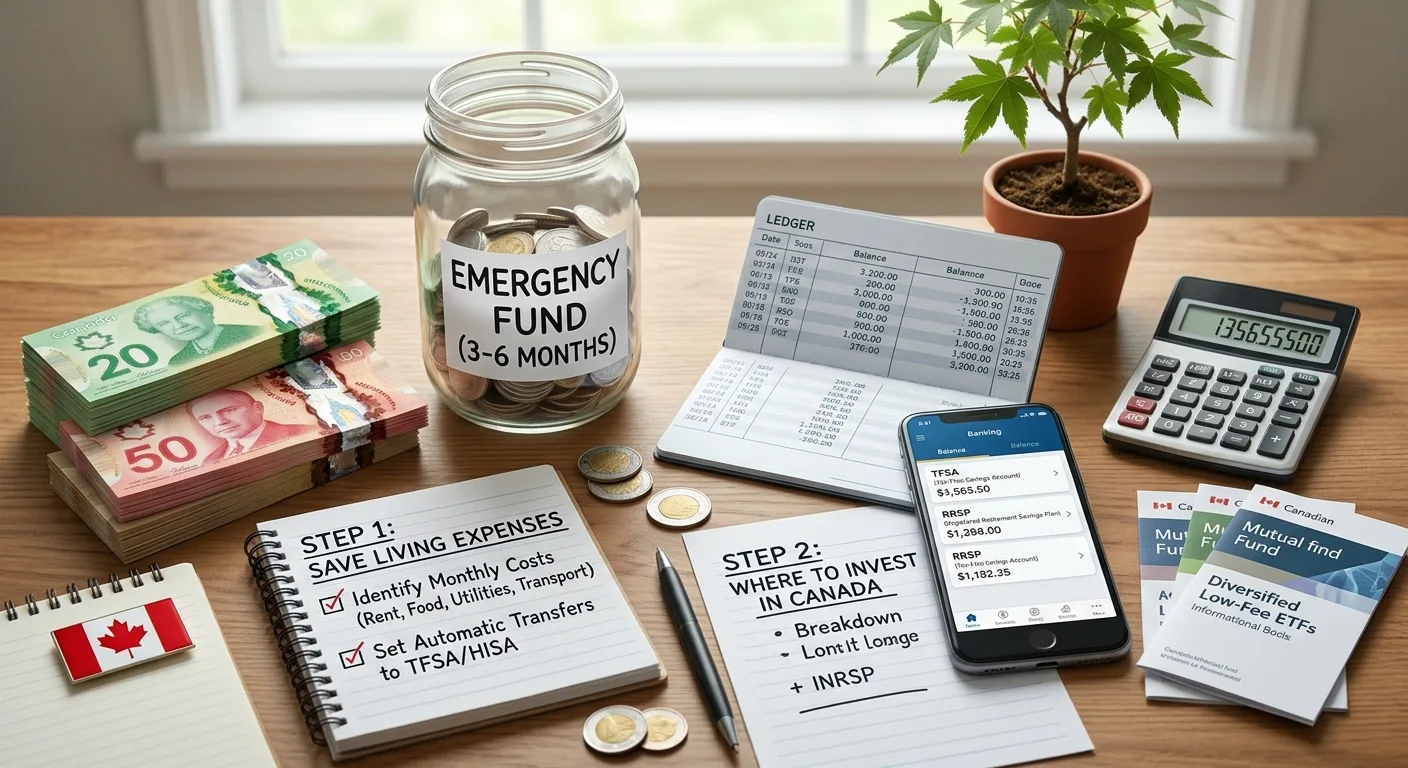
Calculating Your Essential Monthly Living Expenses in Canada
The first crucial step in building an emergency fund is to accurately identify your essential monthly living expenses. This includes housing costs, groceries, utilities, transportation, and necessary insurance premiums. Distinguish between 'needs' and 'wants' to create a realistic baseline figure.
Carefully review bank statements and credit card bills from the last few months to capture all recurring essential expenditures. This detailed tracking ensures no critical costs are overlooked, providing a solid foundation for your emergency fund calculation in the Canadian context.
Determining the Ideal 3-6 Month Target Based on Personal Risk Factors
Once essential monthly expenses are determined, decide whether a three, four, five, or six-month emergency fund is appropriate for your situation. Factors like job security, health, and family obligations influence this decision. Those with less stable employment or higher dependents might aim for a larger reserve.
Consider your personal risk tolerance and financial commitments. A six-month buffer provides greater peace of mind during extended periods of unemployment or unexpected major expenses. Tailor your target to reflect your unique Canadian financial landscape and potential vulnerabilities.
A well-calculated emergency fund is not just a safety net; it's a foundation for financial freedom, allowing you to weather life's storms without derailing your long-term goals.
Setting Up a Dedicated, Accessible, and Separate Emergency Fund Account
To ensure your emergency fund is both safe and readily available, establish a dedicated savings account separate from your everyday banking. This prevents accidental spending and makes the fund easily identifiable. Look for high-interest savings accounts that offer liquidity without excessive fees.
Choose a Canadian financial institution that provides competitive interest rates and easy access to your funds. The goal is to keep the money secure but accessible within a day or two, avoiding investments that lock up your capital or fluctuate significantly in value.
Developing a Consistent Savings Plan and Tracking Progress Towards Your Goal
With your target set and account established, create a consistent savings plan. Automate transfers from your chequing account to your emergency fund on payday to ensure regular contributions. Even small, consistent amounts add up significantly over time.
Regularly review your progress and adjust your contributions as needed. Celebrate milestones to stay motivated and committed to your goal. Maintaining discipline and tracking your savings will help you reach your emergency fund target efficiently and effectively.