Verifying Fund Accessibility and Liquidity for Immediate Needs
Your emergency fund must be readily accessible when unforeseen circumstances strike. Can you access these funds within 24-48 hours without penalty? Consider where your money is held. High-interest savings accounts are generally preferred over GICs or locked-in investments for this purpose.
Ensure there are no hidden fees or redemption delays that could hinder immediate access. Link your emergency fund account to your primary chequing account for swift transfers. Liquidity is paramount; an emergency fund that is hard to reach defeats its primary purpose of providing quick relief.
Confirming Fund Size Aligns with Canadian Living Costs
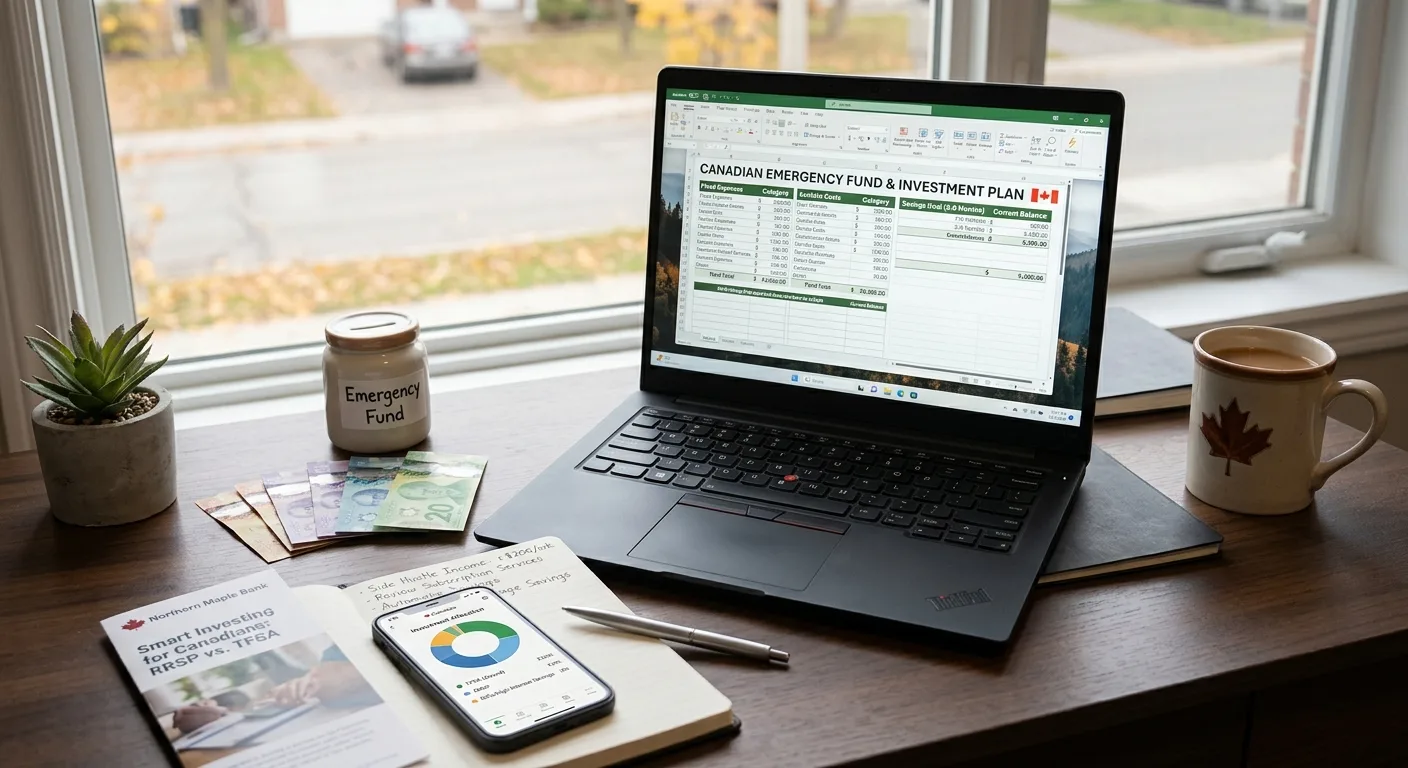
Is your emergency fund sufficient to cover 3-6 months of essential living expenses, considering Canadian costs? This includes rent/mortgage, utilities, groceries, transportation, and insurance. Review your monthly budget to accurately calculate this target amount, factoring in any recent inflation.
Consider your job security and household income stability. If your employment is less stable or you have dependents, aiming for the higher end of the 6-month range might be prudent. Regularly recalculate your essential expenses to ensure your fund remains adequate as costs evolve.
Financial resilience in Canada isn't just about saving; it's about strategically preparing your funds for immediate, tax-efficient access.
Ensuring Protection from Taxation and Inflation
While emergency funds prioritize liquidity, it is still wise to protect them from unnecessary taxation and the eroding effects of inflation where possible. Holding funds in a Tax-Free Savings Account (TFSA) can shield interest earned from taxes, making it an excellent choice for Canadian emergency savings.
However, avoid overly complex or volatile investments for your emergency fund. The primary goal is preservation of capital, not aggressive growth. Choose accounts that offer modest interest rates to help combat inflation without exposing your principal to market fluctuations.
Reviewing and Updating Your Emergency Fund Plan Regularly
Life circumstances, economic conditions, and personal expenses are constantly changing, so your emergency fund plan should not be static. Make it a habit to review your fund's status at least once a year, or whenever a major life event occurs, such as a new job, home, or family member.
Update your budget, recalculate your target amount, and adjust your savings strategy as needed. This regular review ensures your emergency fund remains a reliable safety net, adapting to your current financial reality and providing continuous resilience.