Assessing Current Expenses and Identifying Drastic Cuts
The first crucial step in rapid savings is a brutally honest assessment of your current spending. Go through every transaction for the past three months to pinpoint where your money truly goes. Categorize expenses as essential or non-essential, then challenge every non-essential item. Look for areas where you can make drastic, even temporary, cuts to free up significant cash flow.
Consider temporary sacrifices like pausing subscriptions, reducing dining out to zero, or delaying non-critical purchases. Evaluate your housing and transportation costs; could you temporarily downsize, carpool more, or use public transit exclusively? Every dollar saved from these cuts accelerates your journey towards a robust emergency fund in Canada.
Strategies for Boosting Income Quickly
While cutting expenses is vital, accelerating your income provides an even faster path to your savings goal. Explore immediate income-boosting opportunities. This could include taking on a temporary side hustle, such as freelance work, dog walking, or online tutoring, based on your skills and available time.
Additionally, consider selling unused assets around your home. Electronics, furniture, clothing, or collectibles that are no longer needed can be converted into cash quickly. Every extra dollar earned and directed straight into your emergency fund makes a significant difference in reaching your target within a year.
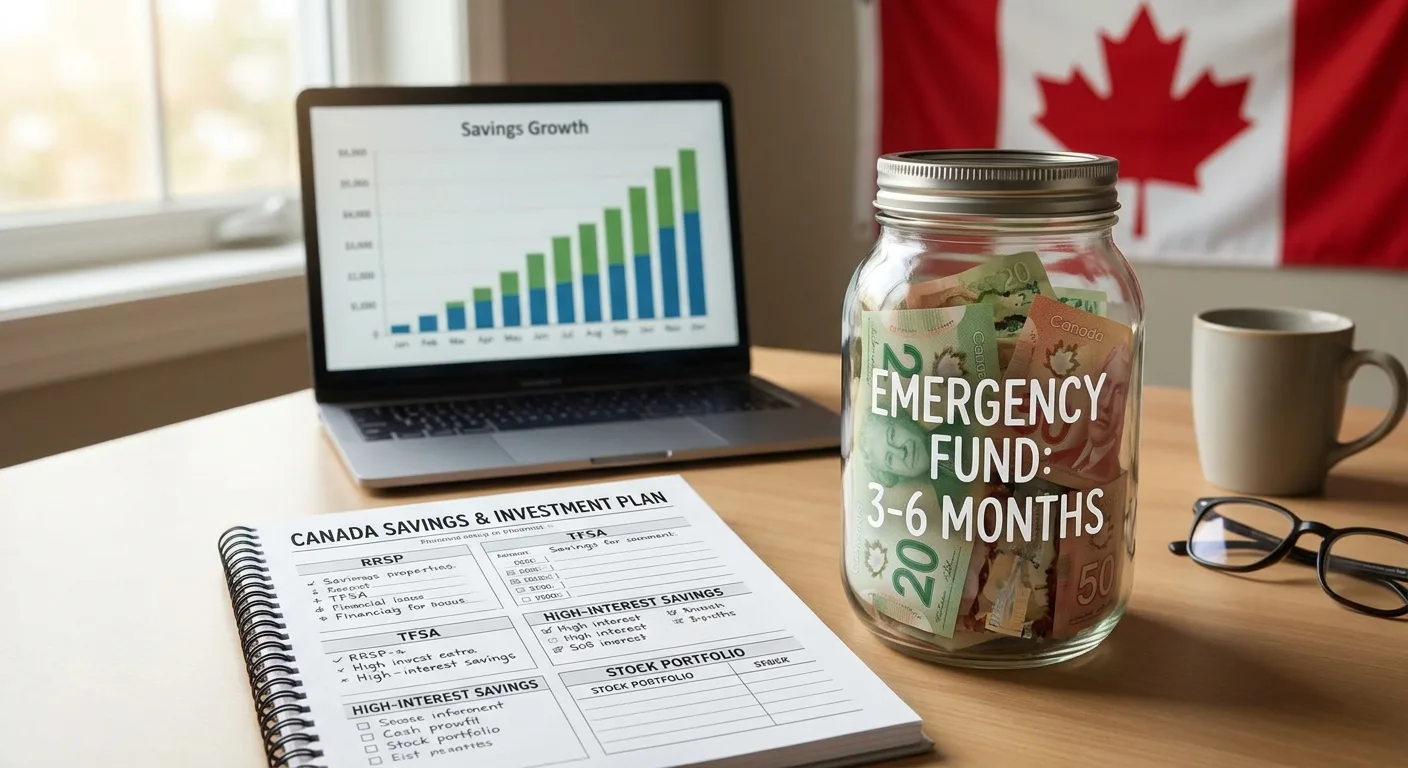
Achieving financial peace of mind in Canada often starts with an emergency fund, a critical buffer against life's unpredictable moments.
Automating Savings and Creating a Dedicated Emergency Fund Account
Consistency is key for rapid savings, and automation is your best tool. Set up an automatic transfer from your chequing account to a dedicated, separate high-interest savings account specifically for your emergency fund, ideally with a Canadian financial institution. Schedule this transfer to occur immediately after each payday.
Treat this transfer as a non-negotiable expense, just like rent or mortgage payments. The goal is to make saving effortless and remove the temptation to spend the money. A separate account also mentally separates these funds, making it less likely you'll dip into them for non-emergencies.
Maintaining Momentum and Avoiding Common Savings Pitfalls
Staying motivated through an aggressive savings period requires discipline and focus. Regularly review your progress against your goal to see how far you've come. Celebrate small milestones to keep your spirits high, but avoid rewarding yourself with spending that derails your efforts.
Be wary of common pitfalls like lifestyle creep as your income potentially increases, or allowing unexpected small expenses to deplete your dedicated fund. Remember the purpose of your emergency fund: to provide a financial safety net, not a slush fund for discretionary spending. Stay committed to your target.