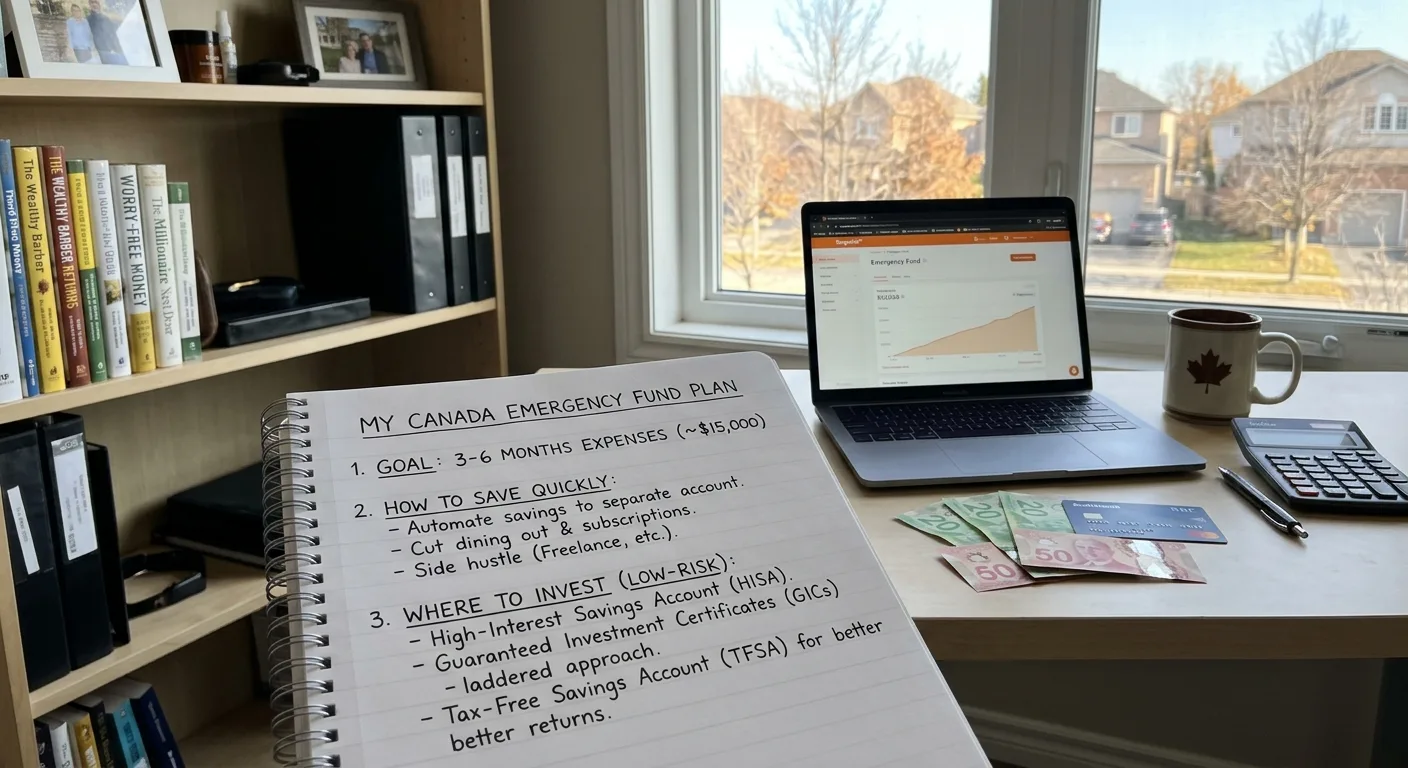
Underestimating True Living Expenses and Ideal Fund Size
A significant error many Canadians make is underestimating their actual monthly living expenses. This leads to an emergency fund that falls short when truly needed. It is crucial to meticulously itemize all essential outgoings, including housing, utilities, groceries, transportation, and insurance premiums, ensuring a realistic total.
The ideal emergency fund typically covers three to six months of these essential expenses. Some financial experts even suggest up to a year, depending on job security and health considerations. A thorough calculation helps prevent future financial strain during unexpected life events.
Parking Emergency Funds in Illiquid or High-Risk Investments
Another common mistake is placing emergency savings in investments that are either illiquid or carry high risk. While the desire for growth is understandable, an emergency fund's primary purpose is immediate accessibility and capital preservation. Funds tied up in long-term investments like stocks or real estate cannot be easily accessed without potential losses.
For emergency funds, consider high-interest savings accounts (HISAs) or guaranteed investment certificates (GICs) with short terms. These options offer safety and liquidity, providing modest returns without exposing your critical savings to market volatility, which is vital for quick access.
An emergency fund is not merely a savings account; it is a financial fortress, built with foresight and discipline.
Failing to Separate Emergency Savings from Regular Savings or Investments
Many individuals do not maintain a clear distinction between their emergency fund and other savings or investment accounts. This commingling can lead to inadvertently spending emergency funds on non-essential items or blurring the lines of what constitutes a true emergency. A dedicated account ensures discipline.
Create a separate, easily accessible account specifically labelled as your "Emergency Fund." This mental and practical separation helps prevent accidental depletion and ensures that the funds are reserved solely for genuine emergencies, reinforcing your financial boundaries effectively.
Not Adjusting Emergency Fund Size for Changing Life Circumstances
Life circumstances are dynamic, yet many people fail to adjust their emergency fund size accordingly. Major life changes such as job loss, marriage, starting a family, or purchasing a home significantly alter financial needs. An outdated fund can quickly become insufficient.
Regularly review and recalibrate your emergency fund, ideally annually or after any major life event. Assess your current expenses and potential risks. This proactive approach ensures your emergency fund remains relevant and adequate, providing consistent financial security through all stages of life.